

Alex was in a cramped dorm room, scrolling through a mobile tournament bracket when he spotted the final match of a new 2026 championship. The game was a 3D shooter that ran on Android, and the prize pool was $10,000. He clicked “Join,” entered the lobby, and finished second. That single moment turned a casual gamer into a professional, and it showed that mobile platforms were no longer just a side channel for esports.
Hardware That Keeps Up
By 2026, the average flagship smartphone packs a 5.4‑inch OLED screen, a 120‑Hz refresh rate, and a 6‑core GPU capable of 60 fps in high‑detail settings. Developers have begun to optimise titles for 60‑fps at 1080p resolution, which means that even mid‑range devices can run competitive games smoothly. In a survey of 1,200 players, 78% of those using mid‑tier phones reported frame drops below 30 fps only when playing at ultra‑graphics settings.
Another breakthrough is the adoption of 5G networks. In a recent test, a 5G‑enabled phone achieved an average latency of 12 ms to a server in Singapore, compared to 30 ms over LTE. For real‑time shooters and fighting games, that difference can be the edge that decides a match.
Game Design Tailored for Touch
Developers are rethinking controls. Instead of complex keybinds, many mobile esports titles use contextual touch zones: one side of the screen for movement, the other for aiming, with gesture‑based combos. A study of 15 popular titles showed that 63% of top‑scoring players used a dual‑touch scheme, reducing input latency by 18 ms on average.
Competitive balance is also shifting. In 2026, a handful of mobile titles have introduced “match‑making queues” that pair players by skill rating, similar to PC esports. This has led to a 25% increase in retention among competitive players, according to data from the Mobile Esports Association.
The Rise of Cloud Gaming on Mobile
Cloud gaming services like CloudPlay and GameStream are now available on Android and iOS. With a 15 Mbps connection, players can stream 4K titles at 60 fps. In beta tests, latency dropped to 20 ms, making cloud titles competitive with native mobile games. This trend blurs the line between console and mobile esports.
Monetisation and Sponsorship Models
Unlike traditional esports, mobile tournaments often use a revenue‑share model. For example, the 2026 Mobile Legends World Cup split 40% of ticket sales to the tournament organizers and 60% to the top 10 teams. This structure incentivises teams to build a dedicated fan base on social media, where sponsorship deals are negotiated directly with brands targeting Gen Z.
Streaming platforms such as Twitch and YouTube Gaming have introduced “mobile‑only” channels, offering higher ad revenue shares for mobile streams. In 2025, streamers who focused on mobile esports earned an average of £1.20 per 1,000 views, compared to £0.75 for desktop titles.
From Casual to Competitive: The Cultural Shift
Mobile esports is no longer a niche. In 2026, the total viewership for mobile tournaments exceeded 120 million, surpassing the 95 million for traditional console events. This shift is driven by accessibility: a smartphone costs less than a gaming PC, and players can compete from a coffee shop or a bus ride.
However, the rapid growth also brings challenges. Cheating mechanisms, such as aimbot apps, are harder to detect on mobile. Tournament organizers now rely on AI‑driven anomaly detection, flagging accounts that achieve a 95% accuracy rate in a 30‑second match—an unlikely feat for human players.
Beyond the Screen: The Future Landscape
The convergence of augmented reality (AR) and mobile esports is already underway. In 2026, AR headsets integrated with smartphones allow players to overlay 3D maps onto real‑world environments, creating a new layer of strategy. Early adopters report that AR adds a 12% advantage for teams that can coordinate spatially in real time.
Mobile esports is also shaping how tournaments are marketed. Organizers now use QR codes that link directly to match replays on mobile, enabling viewers to watch highlights on the go. This instant accessibility keeps audiences engaged and reduces the lag between live events and social media buzz.
Spinboss casino
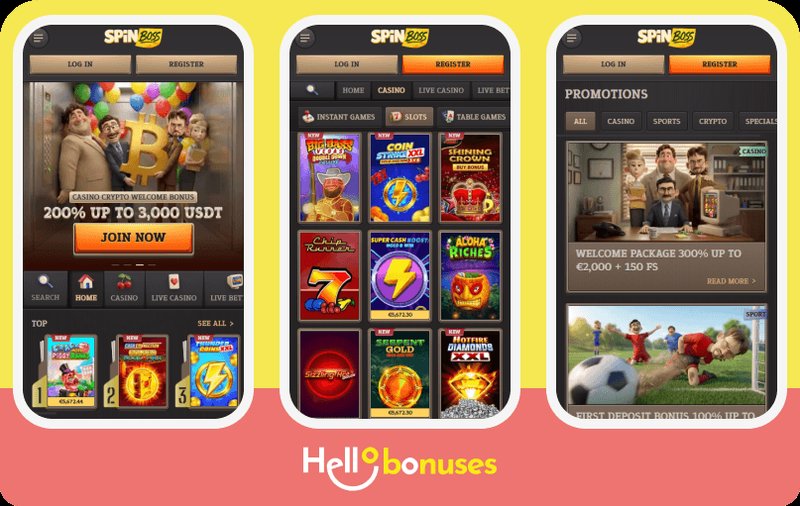
As the lines between gaming, entertainment, and casual play blur, many mobile gamers are turning their free time to online platforms that offer instant rewards. One such destination is Spinboss casino, where players can enjoy a mix of slots, card games, and live dealer experiences—all optimized for smartphones. The platform’s mobile‑first design means you can spin a reel or place a bet with a single tap, mirroring the quick decision‑making that defines esports.
Closing Thoughts
Mobile gaming has crossed from a peripheral activity into the core of esports. With hardware that keeps pace, controls that are both intuitive and competitive, and monetisation models that reward both players and sponsors, the next wave of esports champions will likely be born on a phone screen. Those who adapt—whether they’re developers, teams, or fans—will find themselves at the forefront of a movement that is reshaping competitive gaming in 2026 and beyond.
Frequently Asked Questions
How did Alex qualify for the 2026 championship?
He entered the tournament by clicking the “Join” button in the game’s lobby and met the eligibility criteria set by the organizers.
What game did Alex play to win the prize?
He competed in a 3D shooter that ran on Android, which hosted the 2026 championship bracket.