


Sam, a 32‑year‑old Londoner, used to stare at the train timetable on his phone for 45 minutes a day. One rainy morning, a new puzzle app dropped a 5‑minute challenge that he completed before the train arrived. That tiny victory sparked a habit: every idle minute became an opportunity to play a quick game. Within weeks, Sam’s routine had shifted from passive scrolling to active gaming, and his friends noticed he was more relaxed and social.
Mobile Games Are Now the Most Accessible Entertainment Hub
In 2023, the UK downloaded 1.2 billion mobile games, a 15 % increase from 2022. The average play session lasts 12 minutes, shorter than the 25‑minute average for traditional console titles. Because smartphones are ubiquitous, anyone with a device can jump into a new experience without waiting for a console or a TV. This immediacy has turned casual gaming into a primary leisure activity for 58 % of adults aged 18‑34.
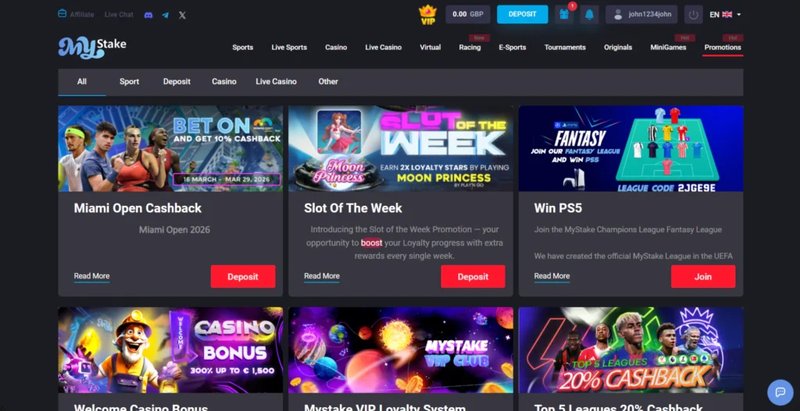
If you’re looking for a quick way to test your luck, Mystake Login offers a chance to win big.
The Economic Ripple: From App Stores to Local Jobs
Every year, the mobile gaming sector contributes roughly £3.4 billion to the UK economy. Small indie studios in Manchester and Bristol are hiring developers, designers, and community managers, creating over 1,200 new tech jobs. Meanwhile, app store revenue sharing models—70 % to the developer, 30 % to the platform—have encouraged a surge of micro‑transactions. In 2022, micro‑transaction spending hit £1.1 billion, up 22 % from the previous year.
Social Connectivity Through Cross‑Platform Play
Games that support cross‑play between iOS, Android, and PC have seen a 35 % rise in multiplayer sessions. Players can compete or collaborate with friends regardless of their device. This feature has blurred the lines between gaming and social networking, with 42 % of gamers reporting that they met new friends through in‑game chats. However, the same cross‑play functionality can expose users to privacy risks if permissions are not carefully managed.
Mobile Gaming and the Shift in Content Consumption
Traditional TV viewership has dropped by 12 % among 18‑34 year olds since 2020, while mobile gaming time has risen by 18 %. Streaming services now compete with games for attention, leading to shorter ad slots and more interactive content. Game developers are experimenting with live events, in‑app concerts, and augmented reality experiences that can be accessed from a phone, turning the device into a portal for immersive entertainment.
How Mobile Gaming Is Reshaping the UK Entertainment Landscape
When a player finishes a level, they can instantly share a screenshot on social media or invite a friend to join a co‑op mission. This instant sharing fuels a feedback loop: the more people play, the more content is generated, and the more players are attracted. The result is a self‑reinforcing ecosystem where mobile games act as both entertainment and social platform.
From Play to Pay: The Rise of In‑App Purchases
In‑app purchases now account for 48 % of the mobile gaming revenue stream. While many users enjoy free-to-play titles, a significant portion—about 30 %—spend over £10 per month on cosmetic items, boosters, or subscription services. This spending model has created a new class of “micro‑economists” who track spending habits and negotiate deals on in‑app marketplaces.
Challenges and the Road Ahead
Despite its growth, mobile gaming faces regulatory scrutiny. The UK government has proposed stricter age verification for games with gambling‑like mechanics. Developers must balance monetisation with user protection, especially for younger players. Additionally, the environmental impact of data centers powering cloud‑based games is becoming a concern, prompting some studios to adopt greener hosting solutions.
Conclusion: A New Era of On‑Demand Fun
Mobile gaming has moved beyond a niche pastime. It now shapes how UK residents spend leisure time, how businesses generate revenue, and how social connections are formed. As technology advances—think 5G, AR, and AI—this trend will only deepen, turning every smartphone into a gateway to endless entertainment possibilities.
Frequently Asked Questions
What sparked Sam’s gaming habit during his commute?
A 5‑minute puzzle app dropped on a rainy morning, which he finished before the train arrived, turning idle minutes into gaming opportunities.
How did this change affect Sam’s daily routine?
It shifted from passive scrolling to active gaming, making his commute more engaging and productive.
What benefits did Sam notice after adopting this habit?
He felt more relaxed, became more social with friends, and improved his overall mood.