
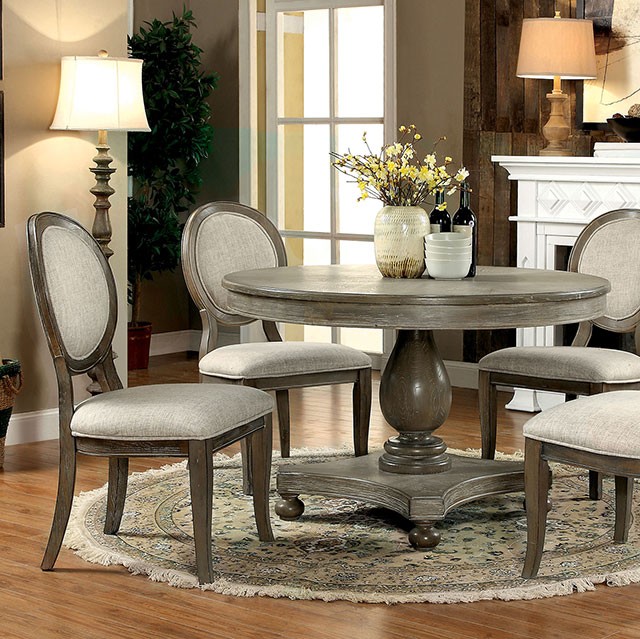

- Subtle artistry transforms living spaces with https://pinnyprincess.co.uk and textured fabric designs
- The Allure of Textured Fabrics in Modern Interior Design
- Understanding Fabric Weight and Weave
- Incorporating Texture Through Color and Pattern
- Practical Considerations: Durability and Maintenance
- Enhancing Natural Light with Tactile Textiles
- Beyond Aesthetics: The Psychological Impact of Texture
Subtle artistry transforms living spaces with https://pinnyprincess.co.uk and textured fabric designs
Transforming a house into a home is a deeply personal journey, one that requires attention to detail and a keen eye for aesthetic harmony. It’s about creating spaces that reflect your personality, offer comfort, and enhance your daily life. Increasingly, homeowners are turning to subtle yet impactful design elements to achieve this, and textured fabric designs are emerging as a powerful tool in this transformation. From cushions and throws to curtains and upholstery, the right fabrics can fundamentally alter the feel of a room, adding depth, warmth, and a touch of sophisticated elegance. Consider how these textures interact with light and shadow, and how they can complement existing architectural features. Exploring these possibilities is where https://pinnyprincess.co.uk excels, offering a curated collection of fabrics that cater to diverse tastes and interior styles.
The beauty of textured fabrics lies in their versatility. They can seamlessly blend into minimalist schemes or add a focal point to more maximalist interiors. Choosing the right texture isn’t simply about aesthetics; it’s also about creating a tactile experience. Think about the difference between the cool smoothness of silk and the comforting warmth of wool. These sensory experiences play a significant role in how we perceive and interact with our surroundings. Many people underestimate the power of fabric in impacting mood and overall well-being within a living space. A thoughtfully chosen textile can make a room feel more inviting, relaxing, or energizing, depending on its texture, color, and pattern. The right design solutions can truly elevate your home.
The Allure of Textured Fabrics in Modern Interior Design
Textured fabrics are no longer relegated to traditional or rustic interiors. They've found a strong foothold in modern design, where they're used to soften harsh lines, add visual interest, and create a more layered and inviting atmosphere. The key is understanding how to incorporate texture without overwhelming the space. Modern interiors often lean towards clean aesthetics, with a focus on functionality. However, the introduction of textured fabrics prevents these spaces from feeling sterile or cold. Instead, they add a layer of depth and complexity that makes the room feel more lived-in and personalized. The skillful use of contrasting textures – pairing a smooth, polished surface with a rough, woven one, for example – is a hallmark of contemporary design. It's about balance and creating a harmonious interplay between different materials.
One of the main reasons for this surge in popularity is the increasing desire for comfort and well-being in our homes. After years of minimalist trends, people are craving spaces that feel warm, inviting, and nurturing. Textured fabrics provide that tactile element that appeals to our senses and promotes relaxation. They invite you to touch, to linger, and to feel at ease within your surroundings. Beyond comfort, textures can also enhance the acoustics of a room, absorbing sound and reducing echo. This is particularly important in open-plan living spaces where sound can easily bounce around. Thoughtful fabric selection can contribute to a more peaceful and serene environment.
Understanding Fabric Weight and Weave
Before diving into the world of textured fabrics, it's crucial to understand the basics of fabric weight and weave. These elements directly impact the texture, drape, and overall feel of the material. Fabric weight refers to the density of the fibers – a heavier weight fabric will generally feel more substantial and durable, while a lighter weight fabric will be more delicate and flowing. The weave, on the other hand, refers to the way the fibers are interlaced to create the fabric structure. Different weaves produce different textures, ranging from smooth satins to rough linens. Understanding these distinctions will allow you to select the right fabric for your specific needs and preferences. For example, a tightly woven fabric like canvas will be more durable and resistant to wear and tear, making it ideal for upholstery. A looser weave, like muslin, will be more breathable and drapey, perfect for curtains or lightweight throws.
Furthermore, consider the scale of the texture. A large-scale texture, such as a chunky knit or a heavily embossed pattern, will create a more dramatic effect. Conversely, a smaller-scale texture, like a subtle weave or a delicate embossing, will add texture without being overwhelming. The scale of the texture should be proportionate to the size of the room and the other design elements present. In a smaller room, a large-scale texture might feel too imposing, while in a larger space, it could be lost. It's about finding the right balance and creating a cohesive look. The interplay of different textures is something to always consider when designing a space.
| Linen | Naturally textured, slightly rough, breathable | Curtains, upholstery, bedding |
| Velvet | Soft, plush, luxurious, deep pile | Upholstery, cushions, throws |
| Bouclé | Looped or curled yarn creating a nubby texture | Upholstery, cushions, throws |
| Chenille | Soft, raised pile, often with a velvety feel | Throws, cushions, upholstery |
Exploring the characteristics of different fabrics will empower you to make informed decisions and create a truly personalized and inviting living space. Don't be afraid to experiment and combine different textures to achieve a unique and harmonious look.
Incorporating Texture Through Color and Pattern
While texture is primarily about the feel of a fabric, it's inextricably linked to color and pattern. The way color interacts with texture can dramatically alter the overall effect. For example, a textured fabric in a dark color will appear more sophisticated and understated, while a textured fabric in a bright color will be more playful and energetic. Similarly, a patterned fabric with a raised texture will emphasize the pattern, making it more prominent and visually striking. Consider how different color palettes can enhance or subdue the texture. Neutral tones tend to highlight the texture itself, while bolder colors can distract from it. Ultimately, the goal is to create a harmonious balance between color, pattern, and texture that reflects your personal style and preferences.
Pattern plays a crucial role in adding depth and visual interest to textured fabrics. Geometric patterns, for example, can create a sense of order and structure, while floral patterns can evoke a more romantic and whimsical feel. Consider the scale of the pattern in relation to the size of the room and the overall design scheme. A large-scale pattern can make a statement, while a smaller-scale pattern will be more subtle and versatile. Don’t be afraid to mix and match patterns, but ensure they complement each other in terms of color, scale, and style. The careful consideration of these elements can transform a simple fabric into a focal point of the room.
- Consider layering different textures to create depth and dimension.
- Use color to either emphasize or subdue the texture.
- Experiment with different patterns to add visual interest.
- Don't be afraid to mix and match textures and patterns, but ensure they complement each other.
Remember that the key is to create a cohesive look that feels balanced and harmonious. Experimentation is encouraged; try different combinations until you find the perfect balance for your space.
Practical Considerations: Durability and Maintenance
When selecting textured fabrics, it's essential to consider their durability and maintenance requirements. Different fabrics have different levels of resistance to wear and tear, and some require more specialized cleaning than others. For example, velvet is a luxurious fabric that is relatively delicate and requires professional cleaning, while linen is more durable and can often be machine washed. Consider how the fabric will be used and the level of traffic it will endure. If it's for high-traffic upholstery, you'll want to choose a fabric that is durable and stain-resistant. If it's for decorative cushions or throws, you might be able to opt for a more delicate and luxurious fabric. Understanding the fiber content will give you an indication of the fabric’s strength and resilience.
Pay attention to the care instructions on the fabric label. Some fabrics require dry cleaning only, while others can be machine washed or hand washed. Always follow the manufacturer's recommendations to avoid damaging the fabric. Regular vacuuming and spot cleaning can help to maintain the appearance of textured fabrics and prevent dirt and dust from building up. For fabrics that are prone to wrinkling, consider steaming or ironing them to restore their shape. Protecting your fabrics with stain repellents can also extend their lifespan. Investing in quality fabrics and taking proper care of them will ensure that they remain beautiful and functional for years to come.
- Assess the intended use of the fabric.
- Check the fiber content for durability.
- Read and follow the care instructions carefully.
- Regularly vacuum and spot clean to prevent dirt buildup.
A little preventative maintenance goes a long way in preserving the beauty and longevity of your chosen textiles.
Enhancing Natural Light with Tactile Textiles
Textured fabrics have a remarkable ability to interact with natural light, adding depth and dimension to a room. The way light plays across different textures can create subtle highlights and shadows, transforming the space throughout the day. Lighter-colored textures will reflect more light, making a room feel brighter and more spacious, while darker textures will absorb light, creating a more intimate and cozy atmosphere. The choice of texture can also influence how light diffuses within the room. Rougher textures will scatter light more evenly, while smoother textures will reflect light more directly. Consider the orientation of the room and the amount of natural light it receives when selecting your fabrics.
Incorporating sheer or semi-sheer textured fabrics for curtains or window treatments allows natural light to filter through, creating a soft and diffused glow. These fabrics not only add texture but also enhance the overall ambiance of the room. Layering different textures – combining a sheer curtain with a heavier textured drape, for example – allows you to control the amount of light and privacy. This layered approach also adds visual interest and creates a more dynamic and inviting space. Don’t underestimate the power of texture in transforming the way light interacts with your home, creating a truly captivating and personalized environment. The fabrics can subtly change the feel of a space based on how the light reflects and is diffused throughout.
Beyond Aesthetics: The Psychological Impact of Texture
The impact of texture extends beyond mere aesthetics; it profoundly influences our psychological and emotional well-being. Textured materials provide a tactile experience that connects us to our surroundings, evoking feelings of comfort, security, and relaxation. Different textures can trigger different emotional responses. For example, the soft, plush texture of velvet can create a sense of luxury and indulgence, while the rough, natural texture of linen can evoke feelings of calm and tranquility. This is rooted in our inherent human connection to the natural world, where diverse textures provide information about our environment. Choosing textures that resonate with your personal preferences and emotional needs can create a more harmonious and supportive living space.
Consider how you want to feel in a particular room and select textures accordingly. In a bedroom, you might opt for soft, calming textures like wool or cashmere to promote relaxation and sleep. In a living room, you might choose a mix of textures to create a more dynamic and inviting atmosphere. The careful selection of textured fabrics can contribute to a sense of well-being and enhance your overall quality of life within your home. It’s about consciously creating spaces that nurture your senses and support your emotional needs. https://pinnyprincess.co.uk understands these nuances and provides a range of options to help you curate your perfect environment.